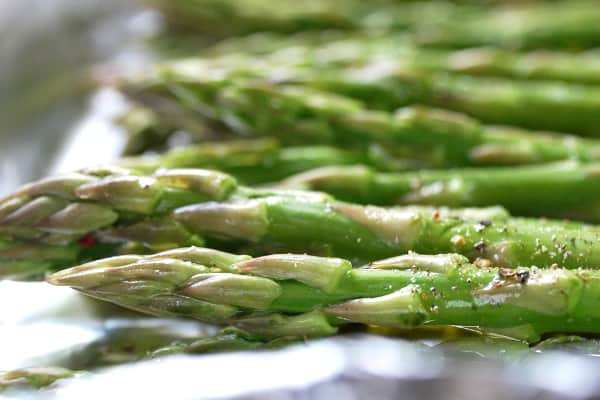
Crisp-Tender Roasted Asparagus: Secrets to Perfection
There's a special kind of magic that happens when fresh asparagus meets the intense heat of an oven. What emerges isn't just cooked vegetable; it's a culinary delight – spears transformed into golden-green perfection, boasting irresistibly crispy tips and a tender, yet not mushy, core. This isn't just about cooking asparagus; it's about unlocking its full potential, concentrating its earthy sweetness, and presenting it in its most delicious form. If you're looking to master the art of how to make perfect roasted asparagus every single time, you've come to the right place. This guide will reveal the simple secrets to achieving that coveted crisp-tender texture, making this springtime side dish a staple in your kitchen. Roasting is hands-down the best method for preparing asparagus. Unlike steaming or boiling, which can dilute its flavor and lead to a limp texture, roasting coaxes out its natural sugars, creating a more intense, savory-sweet profile. It’s also incredibly convenient, cooking quickly while your main course finishes up, and its versatile flavor profile makes it a welcome addition to almost any meal, from a casual weeknight dinner to an elegant brunch spread.Choosing and Storing Asparagus for Optimal Results
The journey to perfect roasted asparagus begins long before it ever sees the oven. The quality of your raw ingredients is paramount, and knowing how to select and store asparagus properly can make all the difference between a mediocre side and an exceptional one.Selecting the Freshest Spears
When you're at the market, look for asparagus that is:- Vibrantly Green: The color should be a rich, bright green, not dull or yellowish.
- Firm and Plump: The spears should feel sturdy and snap easily if gently bent. Avoid any that appear limp, rubbery, or shriveled.
- Tight Tips: The tips are a good indicator of freshness. They should be compact and closed, not splayed or mushy.
- Moist, Not Dry, Ends: While the very ends will be trimmed, overly dry or white ends can indicate older asparagus.
Extending Asparagus Freshness with Proper Storage
Asparagus is a perishable vegetable that deteriorates quickly. Ideally, it should be consumed within a few days of purchase. However, with a little care, you can significantly extend its freshness:- Immediate Action: As soon as you get home, remove any rubber bands holding the bunch together. These bands can trap moisture and cause the stalks to rot prematurely.
- The "Flower Bouquet" Method: This is the gold standard for asparagus storage. Trim about half an inch from the bottom of the stalks. Place the asparagus upright in a heavy-bottomed jar or a tall drinking glass, then add about an inch or two of fresh water to the bottom.
- Cover and Refrigerate: Loosely cover the tips of the asparagus with a plastic bag or plastic wrap to maintain humidity, and then place the jar in your refrigerator.
- Daily Water Change: Change the water in the jar daily to keep it fresh and prevent bacterial growth.
Prepping Asparagus for that Crisp-Tender Texture
Proper preparation is a simple yet crucial step in ensuring your asparagus roasts perfectly – tender inside with those coveted crisp edges.Trimming the Woody Ends
The very ends of asparagus stalks can be tough, fibrous, and unpleasant to eat. The best way to remove these woody portions is to let nature be your guide:- The Snap Test: Take a single spear and gently bend it near the bottom. It will naturally snap at the point where the tough, woody part meets the tender, edible part. This is a surprisingly accurate method and can even be a fun kitchen task for kids!
- Batch Trimming: Once you've snapped a couple of spears to identify the natural breaking point, you can then line up the remaining spears and simply cut off their ends with a knife at roughly the same length as your snapped guides. This is much faster for a whole bunch.
The Importance of Patting Dry
This step is often overlooked but is absolutely critical for achieving crisp-tender roasted asparagus. After rinsing your trimmed asparagus, make sure to thoroughly pat it dry with a clean kitchen towel or paper towels.Why is this so important? Any residual moisture on the asparagus will turn to steam in the hot oven. Steaming prevents the asparagus from caramelizing and developing those delicious browned, crisp edges. Instead, it will result in soggy, limp spears – the exact opposite of our goal!
The Art of Roasting: Temperature, Time, and Techniques
With your asparagus perfectly prepped, it's time to unleash the magic of high-heat roasting. This is where the simple combination of heat, oil, and seasoning transforms humble spears into a star side dish.The Ideal Roasting Temperature
For asparagus, and indeed for most roasted vegetables, a high temperature is key. We recommend roasting at 425 degrees Fahrenheit (220 degrees Celsius).This high heat ensures several things:
- Rapid Cooking: Asparagus cooks quickly, preventing it from drying out or becoming mushy.
- Caramelization: The intense heat encourages the natural sugars in the asparagus to caramelize, creating those delightful browned spots and enhancing its flavor.
- Crispy Edges: Combined with proper drying, high heat gives you those coveted lightly crisped tips and edges, while the interior remains tender.
Oil, Seasoning, and Pan Placement
Once your asparagus is dry and trimmed, it’s time for a light coating:- Olive Oil: Drizzle your asparagus with a light amount of good quality olive oil – just enough to coat each spear evenly without drenching them. About 1-2 tablespoons for a pound of asparagus is usually sufficient. The oil helps conduct heat, promotes browning, and adds a lovely richness.
- Salt and Pepper: A generous sprinkle of flaky sea salt and freshly ground black pepper is all you truly need. These fundamental seasonings enhance the natural flavor of the asparagus without overpowering it.
- Toss Well: Use your hands to gently toss the asparagus directly on a large baking sheet, ensuring every spear is lightly coated with oil, salt, and pepper.
- Single Layer is Key: Arrange the asparagus in a single layer on the baking sheet. Do not overcrowd the pan. If the pan is too crowded, the asparagus will steam instead of roast, leading to a soggy texture. Use two baking sheets if necessary.
Roasting Time: Trust Your Eye (and a Fork)
The cooking time for perfect roasted asparagus will vary primarily based on the thickness of your spears:- Pencil-Thin Asparagus: Will be done in as little as 8-12 minutes.
- Medium to Thick Asparagus: Will typically require 15-20 minutes.
You'll know your asparagus is perfectly done when:
- It's vibrantly green and slightly brightened in color.
- The tips are lightly browned and crisp.
- The stalks are easily pierced with a fork but still offer a slight resistance – that's the "crisp-tender" sweet spot.
Elevating Your Perfect Roasted Asparagus: Flavor Variations
While a simple olive oil, salt, and pepper seasoning yields truly delicious perfect roasted asparagus, its mild and versatile flavor makes it a fantastic canvas for additional seasonings. Don't be afraid to experiment! Here are some ideas to inspire your culinary creativity:- Citrus Brightness: A squeeze of fresh lemon juice immediately after roasting adds a zesty finish that perfectly complements asparagus. You can also add a pinch of lemon zest before roasting.
- Garlic Lover's Dream: Toss with minced garlic or garlic powder along with the olive oil before roasting. For a milder garlic flavor, add it during the last 5 minutes of cooking to prevent burning.
- Herbal Infusion: Fresh herbs like chopped parsley, dill, chives, or a sprig of thyme or rosemary tossed in before roasting (or sprinkled fresh afterward) can add wonderful aromatics.
- Cheesy Indulgence: Shaved or grated Parmesan cheese is a classic pairing. Add it during the last few minutes of roasting to allow it to melt and lightly crisp, or sprinkle it over the hot asparagus immediately after it comes out of the oven.
- A Hint of Heat: A pinch of red pepper flakes adds a subtle warmth and kick.
- Balsamic Glaze: Drizzle with a good quality balsamic glaze after roasting for a sweet and tangy contrast.
- Smoky Notes: A dash of smoked paprika can add a delightful depth.
- Asian Inspired: A touch of sesame oil and sesame seeds, perhaps a sprinkle of soy sauce or tamari, can take your roasted asparagus in an entirely different direction.
