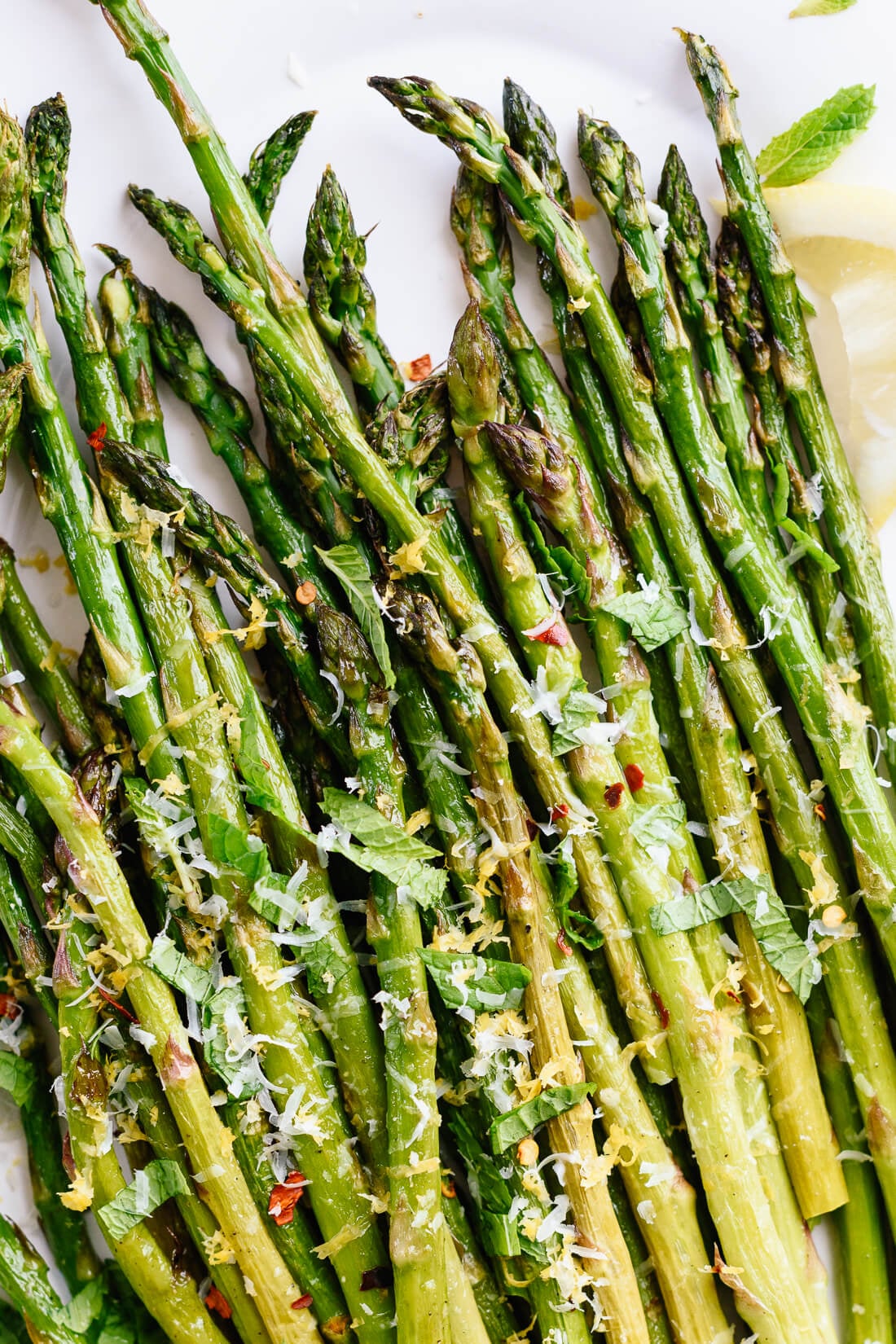
How to Make Perfect Roasted Asparagus: An Easy Guide to a Flavorful Side
As spring awakens, so does our craving for fresh, vibrant produce, and few vegetables capture the essence of the season quite like asparagus. While there are many ways to prepare this slender green stalk, roasting stands out as the undisputed champion for achieving crisp-tender roasted asparagus: secrets to perfection. It transforms simple spears into a culinary delight, coaxing out their natural sweetness and creating an irresistible texture that’s both tender and slightly crisp. Forget mushy, boiled asparagus; perfectly roasted asparagus offers a depth of flavor and a delightful crunch that will elevate any meal, from a casual brunch to an elegant dinner.
Roasting concentrates the asparagus's earthy flavor, creating a more intense and satisfying taste compared to steaming or sautéing. The high heat of the oven ensures the stalks become beautifully tender while their tips get just the right amount of caramelization and a wonderfully crispy edge. Best of all, it's incredibly simple to prepare, requiring minimal effort for maximum reward, making it an ideal side dish to whip up while your main course cooks.
The Quest for Perfect Roasted Asparagus: Why Roasting Reigns Supreme
When it comes to preparing asparagus, roasting is truly a game-changer. The dry heat of the oven initiates the Maillard reaction, a chemical process responsible for the browning and delicious flavor development in many cooked foods. This is why roasted asparagus boasts a more complex and concentrated flavor profile than its steamed or boiled counterparts.
- Unmatched Flavor Concentration: The high heat intensifies the asparagus's natural sugars, giving it a subtle sweetness and an earthy depth that steaming simply can't achieve.
- Ideal Texture: Roasting delivers that coveted "al dente" texture – tender enough to be easily pierced with a fork, yet still possessing a satisfying snap. The tips become delicately crispy, adding an exciting textural contrast.
- Caramelization: Unlike boiling, which can leach out flavors and nutrients, roasting encourages slight caramelization on the exterior of the spears. This contributes to both flavor and visual appeal, giving the asparagus a delicious golden hue.
- Simplicity and Speed: With just a few basic ingredients and a hot oven, you can transform fresh asparagus into a gourmet-worthy side in under 20 minutes. It's a foolproof method, perfect for busy weeknights or entertaining.
Selecting and Storing Asparagus for Optimal Freshness
The journey to perfect roasted asparagus begins long before it hits the oven. Quality ingredients are paramount, and knowing how to select and store your asparagus properly can make all the difference.
How to Select the Best Asparagus
When you're at the grocery store or farmer's market, keep an eye out for these tell-tale signs of fresh, high-quality asparagus:
- Vibrant Green Color: Look for stalks that are a deep, uniform green. Avoid any with dull, yellowish, or discolored patches.
- Firm and Plump Spears: The stalks should feel firm and crisp, not limp or rubbery. A gentle squeeze should confirm their plumpness.
- Tight, Closed Tips: The tips are the most delicate part of the asparagus. They should be compact and tightly closed, not splayed open or mushy.
- Avoid Fibrous or Dry-Looking Asparagus: If the ends look dry, woody, or stringy, it's a sign that the asparagus is past its prime and won't yield tender results.
Regarding spear thickness, it's largely a matter of personal preference. Thinner spears tend to be more tender and cook quicker, often appearing earlier in the season. Thicker spears, while requiring a bit more cooking time, can be equally delicious if fresh and properly cooked.
Maximizing Freshness: Smart Storage Techniques
Asparagus is a delicate vegetable that deteriorates quickly after harvest. To extend its shelf life and maintain its freshness, treat it like a bouquet of flowers:
- Remove the Rubber Band: As soon as you bring your asparagus home, remove the rubber band. This allows the stalks to breathe and prevents premature rotting.
- Hydrate: Place the asparagus upright in a tall glass or jar with about an inch or two of water at the bottom. Think of it as keeping the stems hydrated.
- Cover and Refrigerate: Loosely cover the tips with a plastic bag or plastic wrap to create a humid environment, then store it in the refrigerator.
- Change Water Daily: Refresh the water daily to keep it clean and prevent bacterial growth.
Using this method, your asparagus can stay fresh and crisp for up to a week, ensuring it's in prime condition for roasting. Proper storage is a foundational step for achieving quick roasted asparagus: prep, store & seasoning ideas that genuinely shine.
Prepping Your Asparagus for Roasting Success
Proper preparation is key to ensuring your asparagus cooks evenly and deliciously.
Trimming the Woody Ends: The Snap Test
The bottom ends of asparagus spears can be tough, fibrous, and unpleasant to eat. The best way to remove these woody parts is with the "snap test":
- Hold the Spear: Grasp an asparagus spear firmly with both hands, one hand near the base and the other about two-thirds of the way down.
- Gently Bend: Gently bend the spear until it naturally snaps. The asparagus will break at the point where the tough, woody section meets the tender part.
- Repeat: Repeat this process for each spear. You'll quickly get a feel for where the natural breaking point is.
This method is surprisingly accurate and ensures you only remove the inedible portion, maximizing your yield. It can even be a fun, engaging task for children to help with in the kitchen!
The Critical Step: Drying Your Asparagus
This step is often overlooked but is absolutely crucial for achieving truly perfect roasted asparagus. After washing your spears, it's imperative to pat them thoroughly dry with paper towels or a clean kitchen towel. Any excess moisture will steam the asparagus in the oven instead of allowing it to roast and caramelize. Steamed asparagus tends to be soggy and lacks the desirable crispy edges that make roasted asparagus so appealing.
Mastering the Roast: Steps to Perfect Roasted Asparagus
With your asparagus prepped, you're just minutes away from a fantastic side dish.
Seasoning Simply & Effectively
The beauty of roasted asparagus lies in its ability to shine with minimal seasoning. The basic recipe is incredibly simple:
- Drizzle with Olive Oil: Place the dried asparagus on a large baking sheet. Drizzle lightly with a good quality olive oil. You want enough to coat each spear, but not so much that they are swimming in oil. Approximately 1-2 tablespoons per pound of asparagus is usually sufficient.
- Toss and Spread: Use your hands to toss the asparagus directly on the baking sheet, ensuring each spear is evenly coated in oil. Then, spread the asparagus in a single layer. This is vital: overcrowding the pan will lead to steaming instead of roasting, resulting in soft, rather than crisp-tender, asparagus. If you have a large bunch, use two baking sheets.
- Season: Sprinkle generously with sea salt and freshly ground black pepper. These basic seasonings enhance the natural flavor without overpowering it.
The Ideal Roasting Temperature and Time
High heat is the secret to achieving that coveted tender-crisp texture and subtle caramelization:
- Preheat Oven: Preheat your oven to 425°F (220°C). This high temperature is perfect for roasting most vegetables, creating a beautifully browned exterior while keeping the interior tender.
- Roast: Place the baking sheet with the seasoned asparagus into the preheated oven.
- Cooking Time: The cooking time will vary depending on the thickness of your asparagus spears:
- Pencil-thin asparagus: 8-12 minutes
- Medium-thick asparagus: 12-15 minutes
- Thick asparagus: 15-20 minutes
- Check for Doneness: You'll know the asparagus is done when it's easily pierced with a fork, and the tips and edges show a hint of browning or light charring. For extra crispiness, you can give the pan a gentle shake halfway through cooking to promote even browning.
Beyond the Basics: Elevating Your Roasted Asparagus
While olive oil, salt, and pepper are perfect on their own, roasted asparagus is incredibly versatile and welcomes a variety of flavor enhancements. Here are a few ideas to get creative:
- Citrus Brightness: A squeeze of fresh lemon juice and a sprinkle of lemon zest after roasting adds a wonderful, bright finish.
- Garlicky Goodness: Toss with minced garlic or garlic powder before roasting for an aromatic touch.
- Herbaceous Notes: Fresh herbs like chopped parsley, chives, dill, or a sprig of thyme or rosemary roasted alongside the asparagus can add depth.
- Cheesy Indulgence: A light shaving of Parmesan cheese can be added during the last few minutes of roasting for a crispy, cheesy crust, or sprinkled on fresh after it comes out of the oven.
- A Hint of Spice: Red pepper flakes can provide a gentle warmth.
- Balsamic Glaze: Drizzle with a balsamic glaze after roasting for a sweet and tangy counterpoint.
These additions can transform your simple perfect roasted asparagus into a dish perfectly tailored to complement any meal, from pan-seared salmon to a hearty steak or a delicate omelet.
Conclusion
Making perfect roasted asparagus is an effortlessly rewarding culinary endeavor. By focusing on fresh, well-prepped spears, utilizing the optimal high-heat roasting method, and keeping seasoning simple yet effective, you unlock the full potential of this delightful spring vegetable. The result is a vibrant, tender-crisp side dish with irresistible caramelized edges and concentrated flavor that's bound to become a staple in your kitchen. So, next time asparagus is in season, embrace the roast and savor the truly amazing taste and texture that only perfectly roasted asparagus can deliver.
